
Staci Cross: Playing the Long Game
Have you ever found yourself at that tension point between comfort and calling?
In baseball, that usually comes late in the game. A hitter has to decide whether to stick with the safe swing they’ve worked on, or go after the pitch that could change everything. I’ve spent my career as a broadcaster watching those moments unfold.
As a speaker keynoting on trust, I’ve learned the same truth applies beyond the ballpark. Small Ball creates incremental wins, but it almost always requires stepping away from what’s comfortable and believing in something bigger.
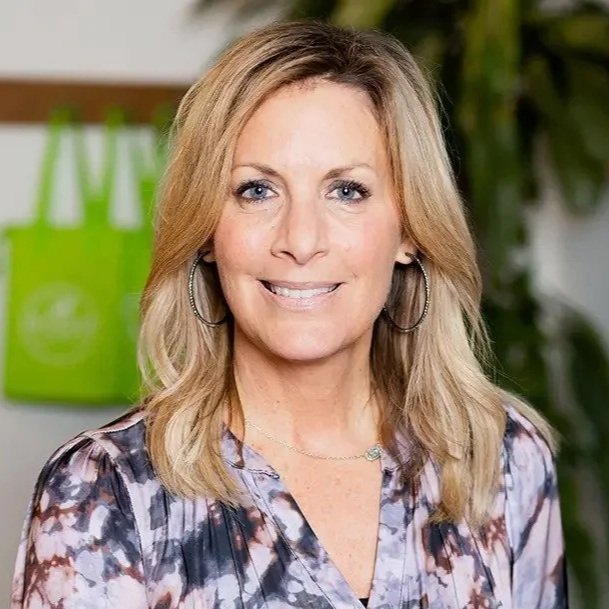
In a recent episode on my podcast, Rounding the Bases, that theme showed up again and again during a discussion with Staci Cross. She’s the founder and CEO of Enjoy Pure Food + Drink, a restaurant concept elevating wellness from within.
Staci doesn’t just dream big. She embodies what it means to live with intention, even if that means starting over. It took a series of hard resets, but they eventually led to a new beginning rooted in service, authenticity and trust in herself.
And just like in baseball, the biggest breakthroughs didn’t come from playing it safe, but the choice to trust your swing and help others win too.
SINGLE: The Path less traveled
Staci spent nearly 20 years building a successful corporate television career, complete with salary, benefits and security. By all accounts it was the very definition of “safe”. But safety has a way of quieting your inner voice if it sticks around too long, convincing you that comfort is the same as fulfillment.
“I felt like eating healthy or being healthy, being fit . . . was a competitive edge,” she explained. “I had the energy to withstand the stress.”
Over time, she realized that the lifestyle demands of a high-powered corporate role made it difficult to honor those core, personal values. Her career had never been broken, but sometimes you have to walk away from a life that’s perfectly good to find one that’s actually yours.
“The human species is not going to evolve eating hamburgers and pizza,” Staci shared. “We have got to fuel ourselves to be higher vibrating human beings, higher functioning human beings.”
Starting a business that promoted healthy living became hers to do. And by bringing one part of her story to an end, she gained permission to begin telling the right one.
DOUBLE: clarity, ground up
What struck me about my discussion with Staci was how the concept for Enjoy came to be. For all of its energy-rich success, it seemed natural that it would have been inspired by a highlight-reel type of moment. Turns out the opposite was true.
“I went to the very basement of my life to realize that, you know, this is not how I want to live,” she shared of her vision for Enjoy. “It filled me with all kinds of excitement and passion that I don’t think I would have thought of.”
Staci had left her TV career, and recently shuttered a national, multi-million dollar business she ran for several years with her husband when she accepted a job that just didn’t fit. Calling it the miserable year of her life, Staci had no choice but to ask herself the hard, honest questions about what came next…and the answer was surprising.
“At first I did not think I was setting out to open a restaurant,” Staci shared. “I thought it was more of a health and wellness center … but the intention was always from a place of service.”
It took about six months, but she finally realized that her true purpose and direction was a Enjoy, a place where the experience was as wholesome as its food.
TRIPLE: People before profits
Since day one, Staci has been on a mission to serve. From the employee culture to the guest experience, it’s clear the business was never intended to be a clever restaurant concept or marketing opportunity.
“The culture is equal to the food,” she explained. “We are about being a loving space for others. We are about providing the healthiest food possible. And the energy field you create, people, you know, customers, can feel that.”
This framing shaped everything. Beginning with the menu that was developed in collaboration with James Beard-winning chef Michael Smith to the energy in the room, Enjoy has intentionally put people before profits every step of the way. Of course those mattered too if Staci was going to keep her mission alive, but money was never the point.
“There is a phrase that we use at Enjoy that we say we don’t do restaurant as usual,” Staci told me. “There’s love. We’re here to good things. We’re here to serve people healthy food. To make them feel better.”
What started as a belief became the backbone of her brand, a transformation that began with service.
HOME RUN: a fresh start
Perhaps the boldest reset Staci made wasn’t starting a restaurant, but reimagining an industry that often accepts burnout as a cost of doing business. Enjoy was an opportunity for her to change everything, beginning with respect, accountability and building an environment of trust.
“They’re spending their energy trying to be the best that I want them to be,” Staci said of her staff. “I try to be as complimentary and appreciative as possible for the work they’re doing.”
Her gratitude has been met with virtually non-existent turnover, a rarity in the industry. This keeps things running efficiently, but also signals that Enjoy has leveled up from being a business to a blueprint for what’s possible.
“If there’s something burning in your heart or you don’t feel like you’re living your most authentic life or if you don’t feel purpose driven or fulfilled . . . check into that,” she told me. “It’s easy not to take the risk. But sometimes, it’s really worth it.”
New beginnings don’t just change your own life. Done right, they’re about starting something that helps everyone around you win too.
Listen to the full interview here or tune in to Rounding the Bases every Tuesday, available wherever you get your podcasts.
LEARN MORE ABOUT new beginnings FROM JOEL
Book Joel Goldberg for your next corporate event. He draws on over 30 years of experience as a sports broadcaster. In addition, he brings unique perspectives and lessons learned from some of the world’s most successful organizations. Whatever your profession, Joel is the keynote speaker who can help your team achieve a championship state of mind.
FULL TRANSCRIPT
Joel Goldberg 0:15
Hello everybody and welcome back to another episode of Rounding the Bases presented by Community America Credit Union: Invested in You. You should always be investing in you. And it's hard to believe that we're moving on a new year, 2026. I almost said 2027. At this point, like I don't even know what the difference is. They all kind of blend together, other than New Year's new challenges, new excitement and all of that. My guest today, we'll talk a little bit about that and so much more. Before we do that, I want to give a quick shout out to my friends at Chief of Staff Kansas City. If you are in the market, if you're on the hunt for a job, or if you're looking to hire someone, or if you're looking just for a great resource, I partner with these guys on a lot of really cool things, and do a lot of events with them. And so great resource. Check them out. Chiefofstaffkc.com. Making Connections That Matter. My connection today is a good one, someone that I'm first meeting, but I've been over at her place of employment, if you will, at her business for a lot of networking, actually myself, so I could vouch for it as a customer. Today's guest doesn't just dream big. She's a purpose driven entrepreneur who embodies what it means to live with intention. I'm joined by Staci Cross, the founder and CEO of Enjoy Pure Food and Drink. Enjoy Pure Food and Drink, or as many of us like to refer to it as, Enjoy. It's the restaurant concept elevating wellness from within, using clean ingredients to nourish the mind, body and spirit, one meal at a time. With passion and positivity, she curated an oasis that lifts others higher, delivering good food and even better vibes that people never want to leave. I can vouch for that, and I'm happy right now to be joined by Staci, who's got her Enjoy Pure Food and Drink shirt on. She's at the office right now. Staci, how are you?
Staci Cross 2:13
Great! Thank you, Joel, for having me on your show. This is such an honor.
Joel Goldberg 2:18
It's great to have you on. And there are a million things, first off, that we can talk about. And yes, you know, I think that with this episode coming out at the beginning of the year, although, you know the I think that the healthy aspect of things, really, it should apply all the time. I'm not here to lecture. I'm just saying, like, I never really understand why January is the time where we try to refocus that. But that's, that's kind of the world. The world's changing a lot too. There's so much I want to talk to you over the next 30-40, minutes, just about, kind of the where we're at in the country, in the world, with with some health kicks right now. And, you know, people are changing their eating habits and parks, or some of the GLP-1s, and some of the knowledge and and I think that there might be a hunger for cleaner food. The access still isn't great, but I want to go back to how you started this, because you did not start in the restaurant industry, and like so many of my guests on this podcast, there was a pivot. There was a change. There was something different that happened in life, which made you go from something in the past to something in the present that was totally different. What was that transformation for you?
Staci Cross 3:27
Well, there was a thread throughout my entire adult life of really being aware of eating healthy and meaning that fueling my body with foods that gave me a lot of energy. Okay, so I was in a very competitive industry. I was in television and for 20 years and worked at four different CBS stations, and it's a high stress, high action, you know, lots of action. To grind for, you know, 20 years, and I felt like eating healthy or being healthy, being fit, being healthy was a competitive edge, you know, like I had the energy to withstand the stress and the, you know, avoid being sick as much as possible and things like that. So just simply eating healthy and feeling energetic, and, you know, having vitality. So I kind of just like, think that was kind of my given, kind of assume that's, that's the way I am, and then we'll go into, like, how this happened. But years later, I had started a business, and then had to close it, and then I said, you know, this is really a passion of mine in terms of how to make this more available to people that because I know that people do want to eat healthy. Maybe it's just not easy to eat healthy, or maybe it's, you know, I found it difficult. So I was running this company after I left television that I founded with my husband and another gentleman, and I ran it for four to five years, traveling all over the country, and it was very difficult to find healthy food in, you know, a lot of places that I went to. That's the story. The story is that I was frustrated, and I thought, you know, this is not how we're going to, you know, evolve, as you know, the human species is not going to evolve eating hamburgers and pizza, you know. So we have got to fuel ourselves with like, life force, you know, things that will give us, you know, like a lot of energy and will feed ourselves to be higher, you know, vibrating human beings. Higher, you know, functioning human beings. So, you know, it was just a frustration that I had. And then when I, we closed the business, I said, Well, this is mine to do. You know, this is what I feel passionate about. And at this point, I had a lot of confidence in my ability to start a business, make something happen. And I said, I can do this. You know, there's nothing you can't do in life, if you just put your mind to it. You have the energy to do it and and you have to, when I say resources, I mean, like I didn't have the financial resources. I had to raise money to fund the company originally. But it was, it was the resources of people, you know, people that knew what, people that knew what they were doing in the space that I wanted to develop for, enjoy, and so, so that's kind of how it all started, you know.
Joel Goldberg 6:29
I mean, not that I know a ton about your industry, other than this, the restaurant industry, and you're, you have a niche within the restaurant industry, but I would like, I mean, the niche that you have is very different than most other restaurants, and I think, to me, that makes you very, very unique. I wish there were more within your niche. Just to provide more options too, like the world would be a better place, but certainly not like where we live. There's some right? But what I know that, the common theme, I guess, what I'm getting at is that whatever, whatever type of restaurant, if you're in the restaurant industry, it's such an impossible industry like I don't I don't know that many other industries that are this hard. My industry of television and you know, you, know, you were on the executive side, right, the account side, the sales side. And my industry is really difficult too, but that's more on an individual level, getting in, staying in, you know, connections. But surviving as a restaurant from so many different ways is, is the odds are so stacked against you, and so I don't know if you knew that going in. I assume you did, but I think you got to be,
Staci Cross 7:45
No, did not know that.
Joel Goldberg 7:46
Yeah. I mean, I think, like, maybe have to be a little twisted, or you got to have a little bit of
Staci Cross 7:52
Naivety.
Joel Goldberg 7:53
Yeah, I don't know. So, what was it? How did you, how have you survived? Because you got something truly unique.
Staci Cross 8:01
Well, thank you. And yeah, so at first I did not, I did not really think I was setting out to open a restaurant, believe it or not. I thought it was more of a, well, a health and wellness center, you know, kind of just a place to, you know, we really, I because it's not just the food that we serve, it's the uplifting service. It's the staff culture, it's the environment. I wanted to create this space where people came in and they actually, they're like energy level was lifted up. They felt better when they left and and, and it was the restaurant industry, though, because I was buying food and I was hiring people, and I was making food, and we were serving food and and we had to do it to the standards of what we wanted, you know, expected. So it wasn't until, like, six months in that I was having a bad day, and somebody said, you know, welcome to the restaurant business. And I said, Oh my gosh, yes. I guess I am in the restaurant business. Hardcore. Meaning that, you know, there's a lot all the financial responsibilities, of course, that come with that. And I knew that going in. And I knew that, you know, I had raised money to from investors to fund this, and I had, you know, a 300 page, you know, investment offering to show the financial opportunity and why it was needed, and all of that. So I understood the financial implications of running a restaurant, it was just the nitty gritty. So there is a there is a phrase that we use at Enjoy that we say we don't do restaurant as usual. And a lot of people don't believe that. When they started Enjoy, they actually say, yeah, right. But it actually they say, Yeah, it's true. Like, there's just a real like, kindness that happens around the restaurant. There's just a real team effort. There's love, there's, you know, like, okay, we're we're here to do good things. We're here to serve people healthy food, to make them feel better. It's not like we have a concept that we're trying to make a bunch of money on. Which we are. But that wasn't the purpose going in. It was to serve people, to, you know, help them have healthier life, you know, lifestyles and what have you. So I think the intention, like I said, the intention, was always from a place of service, like, really, like helping humanity. It wasn't about, it wasn't about the P and L at first. Now it's about the P and L, just so we can stay successful and serving at, you know, keep serving, you know, and all of that so and opening other restaurants and serving more people in the city and hopefully beyond. So, yeah, it, it is a tough business. I feel like when I started, I didn't know anything about the restaurant business, and that was kind of the the big risk is, wow, I'm getting into this. But I knew it was going to work. I just knew, because I was so determined to to make this successful for others, you know, just to make it successful. And so I there was just, I knew we had the confidence, we had the confidence to succeed, but, but no one, you know, I know, you know, it's just a passion. I had that passion. And we're going on 10 years of being open now. We opened a second location about almost a year ago. So we're, it is struggle. It is a struggle though. You know, there's our days of struggle, like, you know, opening a second restaurant and then trying to get everyone to a new part of town to to learn about you and all that. It's a growing process. I had kind of forgotten how long that took. So that is the another learning, a learning opportunity.
Joel Goldberg 11:41
Yeah. I mean, that's what it is. It's learning opportunities. I'm curious though, too. I mean, of course, it's always about making money, but you led with something else. You led with serving. The whole concept of people, first money, second, it works. It works so much in every walk of life and every business. But that's so much easier said than done. That says a lot about you and the culture there. How difficult was that?
Staci Cross 12:41
Well, at first it was difficult, because I had hired people that were from restaurant as usual, and I had to kind of pull the reins in. I had to take the reins back and say, This is not what Enjoy is about. So we are about service. We are about being a loving space for others. We're about providing the healthiest food possible. And so the energy field that you create with the people you know, customers, can feel that, you know, they can feel that. They don't consciously, maybe can feel it, but they do feel it, and it affects the food. It affects how the food is being digested, you know, and you probably don't maybe realize that when you go to other restaurants, but you know, there's like levels of, you know, energy that, that you can feel, and I'm getting Woo woo, but, you know, just being so, I had to take it back and and that was a big learning experience too, But it was great because then I I accepted accountability for what had gone awry, kind of astray a little bit, you know, from my vision, and then took it back so and then planted a stake in the ground and said, This is who we are, you know.
Joel Goldberg 13:55
I just think, Staci, it's interesting, because you, Enjoy is known for its healthy food, and the food speaks for itself. I'll vouch for you on that. The menu is spectacular. And by the way, this isn't just like health food that, yeah, I don't know. I guess if I have to, it's really good. You know, give me that avocado toast, give me those breakfast bowls, the smoothies, the juices. Walking advertisement, I'm happy to do that, but, but there's a vibe as well when you walk in there that you're describing every, that energy that you're talking about. I hadn't thought about it that way, other than just there's, there's a there's a friendliness there. There's a warmth there that you feel when you're sitting down that that clearly is intentional. I hadn't thought about it before. And so tell me about the culture within, because I know it starts from within. And we talk about on this podcast, businesses cultures all the time. Would, why wouldn't a restaurant have one as well?
Staci Cross 14:56
Well, interesting. Okay, so the culture is equal to the food that we serve. And my I have told my staff that from day one, and so I've kind of talked about that quite a bit today. But I was involved in a global women's leadership group back in 2019 and 2020, it was a year long course out of University of San Diego, and there were women from 17 different countries that took part in this, and we had to write a thesis at the end of the year. And my thesis was on a caring and conscious culture for the restaurant industry and how it is a tox-, you know, it's known to be somewhat of a toxic industry. Just and I wanted to bring honor to people that chose to serve for a living, and you know, as a profession. I mean, there are people that you know love to cook, and they you know that you want to treat them with the ultimate respect, you know, give them time off. Don't let, you know, I don't believe in things like burning the candle and working double shifts and things like that. There's just certain things that we have that we follow at Enjoy, so that people can be happy when they're here. They can be refreshed. They're not burnt out. And we try to avoid the some of those common pitfalls that you do see in other restaurants, maybe. And so I wrote this whole thesis. It's, you know, 10 pages long. It's not that long, but I, I was awarded the number one like thesis out of all the members of So, yeah, I think there was, like, I really had a direction for this, and so we try to follow this. And I would really love to, you know, expand this to other to other restaurants, if they're interested. You know, down the road, I feel like it's an industry that could use some reformation, you know, in terms of culture, and some real guidance on how to do that. And it also just helps with staff turnover. We have very little, I mean, little to no staff turnover, you know. And that's again, unusual. And I think there's just an open dialog. There's a lot of understanding that goes on, and people want to work hard. They see me working hard, you know, I work just as hard as anyone. Of course, I know that other people work very hard as well, so I there is some modeling to that as well, you know. And just, yeah, so the culture is important. And again, it is a new it's kind of a new avenue for for what restaurants usually do.
Joel Goldberg 17:43
Yeah, it makes so much sense. I mean, you know, and I wonder if that was overlooked over the years, just because there was so much focus on survival and just making it. And so often, if you look at, you know, kind of the history of restaurants, there's so often a family business, and, you know, maybe the boat, and then you start to grow and but turnover in the restaurant industry is usually really high. Very clearly, you have figured something out to make this a place that your people want to stay as well. What does that mean to you? Because that's something a lot of restaurant owners don't have.
Staci Cross 18:18
Yeah, well, it means the world. And we are, I'm so grateful, like, I have such a grateful heart, like, and I tell them all the time, you know, I try to, I try to be as complimentary and appreciative as possible for the work they're doing, because they're working for, for me, for my company. They're, we're, you know, they're spending their energy trying to be the best that I want them to be, you know. And so I appreciate that. I have a gratitude is a is a big part of our kind of theme, you know. And so it means a lot. It means that we don't have to constantly be looking for people and hiring people and wondering if they're going to work out. And so we just have, there's just a lot of love, there's a lot of love with among us. And I don't want to, like, say it's all, you know, you know, rosy all the time, because, but it really does feel pretty rosy. It's just, I don't want to paint too right, you know, too rosy of a picture, because, you know, there's, there's work to be done.
Joel Goldberg 19:20
Nothing's perfect. I mean, that's true in in any business. How much I alluded to this towards the beginning of the podcast. And, you know, January is so often a month or people want to restart. By the way, I don't, I don't begrudge that. I just I never liked January, because I always felt like, for me, it was like, I'm going back to the gym, and then two or three weeks later, I would stop and, you know, back to that, but, but I'm, I feel fortunate enough now that that I'm in a spot where it's important to me every day. Yeah, you know, six, seven days a week, traveling with the Royals for baseball. I'll speak, I'll speak to this. Anyone that's listening to this podcast that travels for work. You don't have to have the ridiculous hours that that I have of finishing up work at 10 or 11 at night to understand that when you're traveling on the road, eating healthier becomes harder to do. But it also feels like the world is changing, and people are looking for healthier options right now and and people aren't drinking as much. And you know, I heard a podcast maybe a year ago or so. It was maybe a year and a half ago as a national podcast, and I heard a guy saying something like, the two biggest disruptors in the world are going to be AI, and we're certainly seeing that, yes. And, and, and GLP-1s, because it's going to change the food industry and the way people are eating and, and, and, and, I don't know if all that's true, other than we're seeing a lot of that happen. We're certainly seeing it in real time with AI, but I'm curious what you're seeing. Are you seeing more of a demand for the healthy options than you have? Is it the way it's always been? How is it evolving?
Staci Cross 20:55
Well, that is such a great question. I want to just go back. So when I first thought of Enjoy, it was around 2010, so now going on 16 years. And at the time, you know, this was not a thing. You know, healthy food was not a thing. There may have been one restaurant in Kansas City that was offering juices, and I had just come off of traveling the country for years, and I said, I want more than a juice and a smoothie and a salad and a thing of hummus. I want a meal, but I want it to be really delicious and plant based, or, you know, have some good, you know, salmon, some wild caught salmon, or some really healthy chicken or something. So I that I started coming up with all these ideas. And again, healthy food had a really negative connotation in terms of how it would taste, right? I mean, you can throw kale and sweet potatoes and quinoa together and it can taste pretty bad, but so I align myself with a chef, and I cold called Chef Michael Smith here in Kansas City. We met for several hours. He said, I would love to work on your project, and then we work together for the next year on making it delicious. So, so it is, Enjoy has a culinary foundation from Michael Smith, and we still use all of his recipes. And so that is the biggest difference in that the the healthy food tastes good. So you can come to Enjoy and not even know it's healthy. It just is delicious. So we have all the, we have all the the entrees, the salads, the warm bowls, the the guacamole, the hummus, the, you know, chicken parmesan, the amazing, we have eight different sandwiches and wraps that are all incredible. And we have a pretty large menu, breakfast, lunch and dinner. We do cocktails that are clean cocktails. We have, you know, kind of sustainably farmed wine, and some good wine and smoothies and cold pressed juices that we make in house, and everything's pretty organic and where it needs to be and where we where everything's possible. We try to go the organic route. Our salmon, again, is wild caught, never farm raised. So I guess that I have seen, like, we always have attracted the people that are health conscious, like from the very beginning and like, Oh my gosh. Thank you so much for being here. Thank you. Thank you. Thank you. We hear that still today, but now it's just people that were brought here, maybe at a lunch lunch crew, and they go, yeah, there's a great sandwich, you know. And then they come back, and it's just a good sandwich. It's not like a healthy sandwich, but, but when they got here, they and then they felt good for the rest of the day. And that is the whole point. When, when I was putting a business plan together, I was like, I want people to feel good for the rest of their day, not just, you know, not have a big lunch and then, oh my gosh, you know, I need a nap, or think something like that. So, so we've always had, like, it's just kind of unconsciously, you know, attracting more and more people to the the taste of healthy food. You know, there is a certain taste we don't use, we don't use butter, we don't use white sugar and white flour and all that. We use other alternatives that are more healthy, like like honey or maple syrup or something or, you know, coconut sugar or something like that. So not as high, not as glycemic. So you're not going to get that crash, you know. And so in terms of the world changing, I think that it's exciting to finally see that everybody's kind of on the bandwagon, getting more on the bandwagon than they were 15 years ago and and I always knew that, that, you know, I always just knew it would have that way, because we can't just keep going on, eating crap and thinking that we're going to be okay, you know. We gotta, we have a long life to that we hopefully want to live, you know, and I think people are waking up to that. I think also, podcasts and social media has really propelled all of the information that is now so, so much out there, and there's so many people that are getting on, you know, talking about healthy, you know, insulin levels and longevity and GLP-1s like you said. Things like that. So yeah.
Joel Goldberg 25:10
I mean, we grew up, you know, and still have, but we grew up with the easiest thing to do is McDonald's. And you know what? Yeah, every rare now and then, I might still do it. But the thing is, is that now I don't, I'm not. I'm far from perfect, but I've changed everything in the last year, but I don't, I know how it's gonna make me feel. Yeah, so now it's like, to me, it's like, doesn't mean I don't want a good burger every now and then, but I'd like to have a good burger. I don't want some pizza every now and then, but maybe less pizza and all that and but I think the bottom line, like you said, too, in leaving your place, you don't need a nap afterwards. You feel good. And when you do that enough, you start to realize that, hey, you know what? This is kind of nice. But again, the food has to taste good. I love the fact that you guys have healthy cocktails as well. This isn't a You can't have fun. You can't do this. This is not supposed to one question before I get to my baseball theme questions, because I I guess I haven't really asked a guest this before on this podcast. But what's it like to be able to reach out to a James Beard Award Winner, Michael Smith, for anyone that's in Kansas City, you probably been to his restaurants and you know his name. That's not an easy thing to do, I assume, but that's a heck of a connection to have in the in the food industry. What was that process like? Because, you know, he's as good as it gets.
Staci Cross 26:41
He's good as it gets. He's an amazing chef. Michael Smith is the hardest working chef around, and he loves what he does. He's so passionate about growing and expanding his knowledge base and his like offerings. What was that like? I, I had been to his restaurant many times, of course, and I had been working with another chef previous to that, that was kind of internationally known, but he was becoming so hard to work with because I could never get a hold of him, you know, like he was always in Brazil or something, and he was very plant based. He wasn't, like inclusive. I wanted to be more inclusive to help people. I wanted a broad, broader path, a broader bridge to health, rather than just on your own bridge, like veganism. So, so I talked to I talked to Michael Smith, and I said I was working with this guy, and he knew of him, and I said that I would really love to work with you based on your just what you've done and just your depth of like creativity. And we met. And so I, you know, I did call him up, and we had a meeting, and we talked, and I told him what I was trying to do, and he said, Well, this is going to be new, a little bit new to me, because not really into the healthy food. And so when we started putting recipes together. I said, you can't use this, this, this, this, this, and this ingredients. And he would be like, why not? I'm like, because it's not healthy. And he's like, Oh, okay. And so he he admitted that at the end, he said, I admit I learned a few things in this process, which was great, um, we're always learning. But then I also had an internationally renowned woman named Tess Masters that was, is called The Blender Girl, and she's written many books, and she she did all of our she, and she and her partner, Karen Kip, did all of our juice and smoothie recipes. So our smoothie recipes are, you know, I didn't want to Google, you know, like, what's the hottest you know, kale smoothie. No, it's founded on somebody that has tested hundreds and hundreds of kale smoothie recipes and it shows. So I brought her on and her partner, and they did the juice and smoothies. So again, I wanted to show to investors and to the public that this was founded by people that were really experts in their areas of of cuisine, you know, of the restaurant business, yeah, so that's how that happened.
Joel Goldberg 29:07
All right, I want to get to my baseball theme questions. And okay, this will be related to Enjoy, but maybe not in your career. What's the the biggest home run that you've hit? What's, what's a big win for you.
Staci Cross 29:22
Well, I mean, going back to Enjoy, I think that just going into an industry I didn't know anything about, and then believing that it would succeed was a home run. But I never, I felt like, you know, I never, ever expected that it would not do anything but succeed. So I think that was the mindset that is just so critical for entrepreneurs and people starting out. Obviously, people have ideas, and there's a level of confidence or unconfident, not confident in what you're doing. But if you have this determination, you can succeed. You know, it will happen. So the home run was just, I think, I mean, I was in the, I had the core. I was in the corporate world, you know, I had the comfort, the net, the safety nets of the corporate world, with your salary and your 401s and your, you know, health insurance and all that, that people do sometimes don't want to leave. You know, they may have a dream or whatever. They may have something in their heart, but it's a little too risky. So I think the Home Run is the risk paid off.
Joel Goldberg 30:34
I'll tell you what. The best entrepreneurs, they'll take that risk. And sometimes there's a safety net, but usually there's not. But so you know you gotta, you gotta believe in it, right? And very clearly, you did. I mean, you had a confidence to say that this is going to work, even if I don't know exactly how, or exactly what I'm getting into with that naivete that you talked about before. You had a belief and you had a good product, obviously, and great people. How about a swing and a miss? Along the way, there are always swings and misses. For entrepreneurs, they're definitely swings and misses in the restaurant industry, what's a swing and miss you've taken and what did you learn from it?
Staci Cross 31:13
Real quick, after I closed my company that I ran for four or five years, it was a national company. We did. We went from zero to $3 million in like, three years. I mean, it was a it was a home run in itself. We had to close it because of technology purposes. The technology was outdated, so we closed it. And I'm like, What am I going to do now? I briefly got a job doing something that was a completely wrong fit. It wasn't the broadcast industry, but it was on the another side of the broadcast industry that I had no passion or interest in. I worked at that place for a year, and I was it was the most depressing and miserable year of my life, literally and but it was from that depth of desperation that I got the flash for Enjoy because I had remembered, what am I here to do? Like, what is what? This is not it. This is not it. So the swing, the swing and a miss was I went to the very basement of of life to realize that, you know this, this is not how I want to live my life. I I have this vision for something that I want to do, and it filled me with all kinds of like excitement and passion. So I think that, I don't think I would have thought of Enjoy if I hadn't been so miserable. And it was like sometimes out of desperation, certain things happen for different reasons, either for necessity or desperation or just a sheer, you know, desire. But in my opinion, my in my case, it was, it was unhappiness, and thank God I am today so that that swing was, that swing and a miss was a good thing
Joel Goldberg 32:57
Well, and that's why I remind people all the time, stay open minded too, and and, yes, you may not have the ability to take that big chance, but just be open to what's out there, because you never know when that big idea or that change, or that something might happen that actually becomes more fulfilling to you and that enables you. So when you're in your lane, you know, we hear all the time people say, stay in your lane. I don't subscribe to that. I think they need to stay out of the wrong lanes, but the only way to find out that they're wrong or not is to explore them, but, but don't get just stuck in your lane, because there might be something better out there that you're unaware of or you're not even allowing yourself to experience.
Staci Cross 33:38
Yes, what I'd like to add to that is, real quick, if we have a second, is, I think a lot of people do feel comfortable, and that's okay. But if there's something burning in your heart or something that maybe you don't feel like you're, you're living your most authentic life, or you're you're not, you don't feel as purpose, driven as or fulfilled, you know, check into that and see okay, who am I? What am I here to do, and what value can I bring to the world? So if you're just doing kind of a nine to five job that doesn't feel fulfilling, how much value are you adding to the world? But when you do something that is truly from your heart, like I believe, everybody has a God spark that is truly beneficial for someone else if they will express it and and find that authenticity. So I just wanted to say that because I think that's important. It's easy to be comfortable. It's easy to not take the risk, but sometimes it's really worth it, and you'll be so so happy you did. So fulfilled. And maybe not right away. It's kind of scary. You know, got to get over a lot of fears.
Joel Goldberg 34:47
Yeah, yeah, I feel every bit of what you're saying without a doubt. How about my last baseball team question, small ball, you've talked about your culture. But the little things, what are the little things that. Lead to big results for you.
Staci Cross 35:03
I don't know exactly how to answer this question, but I would say, like, we just keep our eye on the ball all the time, you know, like we're keeping our eye on like, what food is walking in from the vendors, you know, making sure that the eggs are organic, you know, and that the the what we did order is the highest quality, you know, is that, did that rice? You know? Is that rice? Is that brown rice? Is that organic? You know, I ordered organic. Or does it have to be, you know, like we're just always watching to make sure all the ingredients are where they need to be. So that's one big that's one, it's a lot of balls that we're watching. And that is important, because our customers count on, count on me to do that. They count on me to watch all of those ingredients, because they trust that I what I'm putting out is the highest, cleanest, non-processed, organic food that they've come to to order, you know?
Joel Goldberg 35:56
And, yeah, it's a great answer. It's paying attention to detail that you know, especially in this day and age, where, with automation, and in this day and age where, okay, you, as you said, you can't ever take your eye off the ball. And those details matter. They show up in the results. It shows up in the pride that people have working there, that this is going to be done a certain way, and that we take pride in it. So I love that answer. I want to, I want to wrap up with four quick ones, four final questions, as we round the bases. The first one's an easy one, or maybe it's not. What is your go to item on the menu for you? What is, what is the one thing that you can't live without?
Staci Cross 36:37
It's got to be the Take On The World Bowl. So it's like a super food bowl, and it has all the super foods that you know, that just fill you up with vitality and nutrients and everything. Has quinoa and kale and broccoli and avocado and beets and almonds and, you know, things like that. Lot of people will add like salmon or chicken to that. I also like the Pure Vita Bowl. It's a it's a Chipotle tofu bowl over organic brown rice with the avocado crema. But I love those things we have a lot of, yeah, those are my go tos.
Joel Goldberg 37:15
I love it. Okay? Second question, I love it. We always send out questionnaires to our guests, because we never know what interesting little tidbits we're going to find. So now I'm going to have you talk about this one. This is a fun one that you told us. That you went all the way to the championship round of the metro wide Oratorical Contest put on by the Optimist Club, all the way back in eighth grade, with the topic being democracy. You could have gone into politics Staci, and maybe it was kind of going that way. Yeah, so tell me about that.
Staci Cross 37:51
Well, that's funny. Um, I was in politics a lot. I was, I was a senator for KU, I, I was involved in a lot of political like campaigns. It was so funny, but I don't know. Not it, not today, for sure. So I was 13, and which is kind of an very awkward age, and I went and we had a school level competition, then we had another level, and there's like four levels, and I went to the championship level with someone. It was like a six or eight week process, and yeah, I didn't win. I won second place, but it was such a catalyst for con, my confidence at age 13 that I could, you know, speak in front of people, and Shirley hadn't done that before, so it was just something my school encouraged, and then I happen to like it, and I like the topic, you know, democracy, and so I could really get my, you know, heart around that. So, yeah, no, literally, nobody knows that. No, I have, nobody that I know. Yeah, it was a good thing. The optimist, Optimist Club helps youth, you know, around the world, and that was their thing in Kansas City at the time. I don't know what they're doing today, you know, so.
Joel Goldberg 39:17
But what a great lesson, and be able to have all those skills clearly still apply to everything you're doing today. And you know, one of the things when I was reading through all the information on you that really stuck out to me, and I want to frame this in a question that that pertains now to your world and the restaurant industry, but when I look at it, okay, the last business that you had, that you were talking about, I was reading that you secured a Johnson and Johnson. You secure Johnson and Johnson as a client by making a cold call to a switchboard. That's still a great skill to have nowadays, because people are getting away from the cold call. And I tell people all the time that if you actually could just have the ability, especially the younger generation, to pick up the phone or meet with someone face to face, maybe over at Enjoy, whatever it is, right? If you have the ability to do that, you're already ahead. You set yourself apart from everybody else. And then at the same time that business was dissolved when streaming replaced physical media. And you know, as someone that worked in television in the past, as someone myself that works in television right now, I know that what we're doing right now is not going to look like this in five years, and it already doesn't look like it did. I mean, when we lose a game, a Royals game, we lose it to a national broadcast, but it used to be ESPN or Fox, now it might be Fox, but it might be Apple TV, or next year it might be Netflix. It's changing. And so my question to you is, is twofold. One, how much do those those old school skills, still matter in the midst of change, and how do you navigate whatever change is coming forward?
Staci Cross 40:51
Such a great question. Cold calling is a dying art, for sure. I saw it when I was even in the television business, and some girls came on and they started emailing their pitches, you know, or and now they're just texting and all that, you know. I thought it was a cop out, because it is easy to do that, but so I was forced, forced to make those, those pick up the phone and call. I mean, I had no other choice if I wanted to keep my job, and I was forced to maybe make those cold calls in person, walk in the door, so uncomfortable, so awkward, so scary. But then you get used to it. It's not but then at first it was like terrifying. Some people nowadays don't ever have to get over that terrifying point. They just text or email. And really, I don't think it goes as far, of course, right? I mean, how many emails can you just blow off? Right? You can blow off all your emails. So, yeah, I think that, unfortunately, I don't, if you don't have to do it, you're not going to. So unfortunately, I think that is a dying art, and it does, I, you know, it's changing the way people communicate with other humans, and I think it's almost a permanent thing. I'm not sure if it's ever going to go back to how it was, because things do evolve. Things change as we know. But I like change, like I embrace change, and I think that you just adapt. And, you know, no one taught us better than than 2020 how to do that, and we adapted. And then you you just do your best and you hope for the best. I think a hopeful heart is always good to have, like, Okay, this is going to be okay. We're going to work through this, and we're going to figure out a way to adapt into this new situation. So it's being adaptable, resilient. Those are big words, and those are important qualities to have in life,
Joel Goldberg 42:58
In, in life, not just in business, not just in restaurants, in life period. Love. The spirit of that final question to walk off, what are, yeah, that's, that's my little thing, what? What's the net? I hate to ask this question. You just opened a new restaurant, by the way. It's not like you need more work. But are there any, are there any down the road projects or something, that that is next? Where do you want to go from here?
Staci Cross 43:23
Well, in terms of Enjoy, of course, like when I first had the vision for Enjoy, it was 250 locations across the country, so I would love to get to that point. Now. What would I need to do that? I would need to align with a company that is, has a growth a growth strategy for something like that, like for franchising, and I do hope to entertain those conversations in the next year, and because it's a great concept, and, and I really do believe that, you know, people always say, Oh, we would do great. You would do great in Portland, Oregon, you would do great in San Diego, you know? Yes, I know, but we, just getting there, you know, and making it doable so that I'm able to survive, strive or thrive, and not, you know, like I'm able to do that, but I need, I would need help for that. So that would be great. Other than that, I know that there's something else that I'm being called to do, but I it doesn't, it's not clear yet. It's not quite clear. I think I need to get through some of this first. You know, people always say, Oh, I have a book in me or something. I don't think I have a book in me, but I I have maybe other things that I would like to do. And it's all about just inspiring and helping others. It's not, it's nothing about like me trying to, you know, it's not about my ego. I really want to be of service to others in some way that I and so it'll, it'll, you know, that's, it's, it's germinating.
Joel Goldberg 44:52
Yeah, I love that because I hear it. I hear it in you. I feel it. Because that's how you started Enjoy, and then the success came. You from that intention and so and I just, I appreciate the fact that you don't know what it is yet, outside of Enjoy, but it's there. It's coming. It'll, it'll, it'll be there when you know it is there. I want to encourage everybody to to check out Enjoy, other than the couple sponsors I mentioned at the start of the show, we don't, you know, we don't have any restaurant sponsorships or anything like that. I'm just sharing with people that that I love being over there and actually need to get in more. But the healthy option, for me, it's very refreshing, and no pun intended with that at all, to have a place that has so many good and tasty options on the website. And if you want to check out more, enjoypurefood.com. But you know, I speak so much about culture, it says our culture good vibes are intentionally provided by our staff who serve from their heart, making your day and the world a better place. Don't we all need more of that right now?
Staci Cross 45:56
Thank you for mentioning that.
Joel Goldberg 45:58
Well it's unique. There needs to be more of it. Staci, thanks so much for spending time. Good luck with the new restaurant over in Lenexa. I know that that's not easy, but you've got the great product. You've got the great people, and I'm looking forward to coming over and seeing you at Enjoy soon. Thanks so much for coming on.
Staci Cross 46:16
Thank you so much. Joel, Happy New Year.