
Judy Henderson + Angel McDonald: From Darkest Chapter to Second Chance
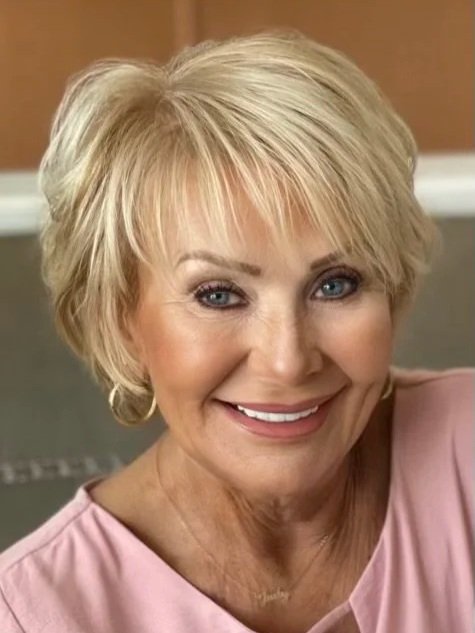
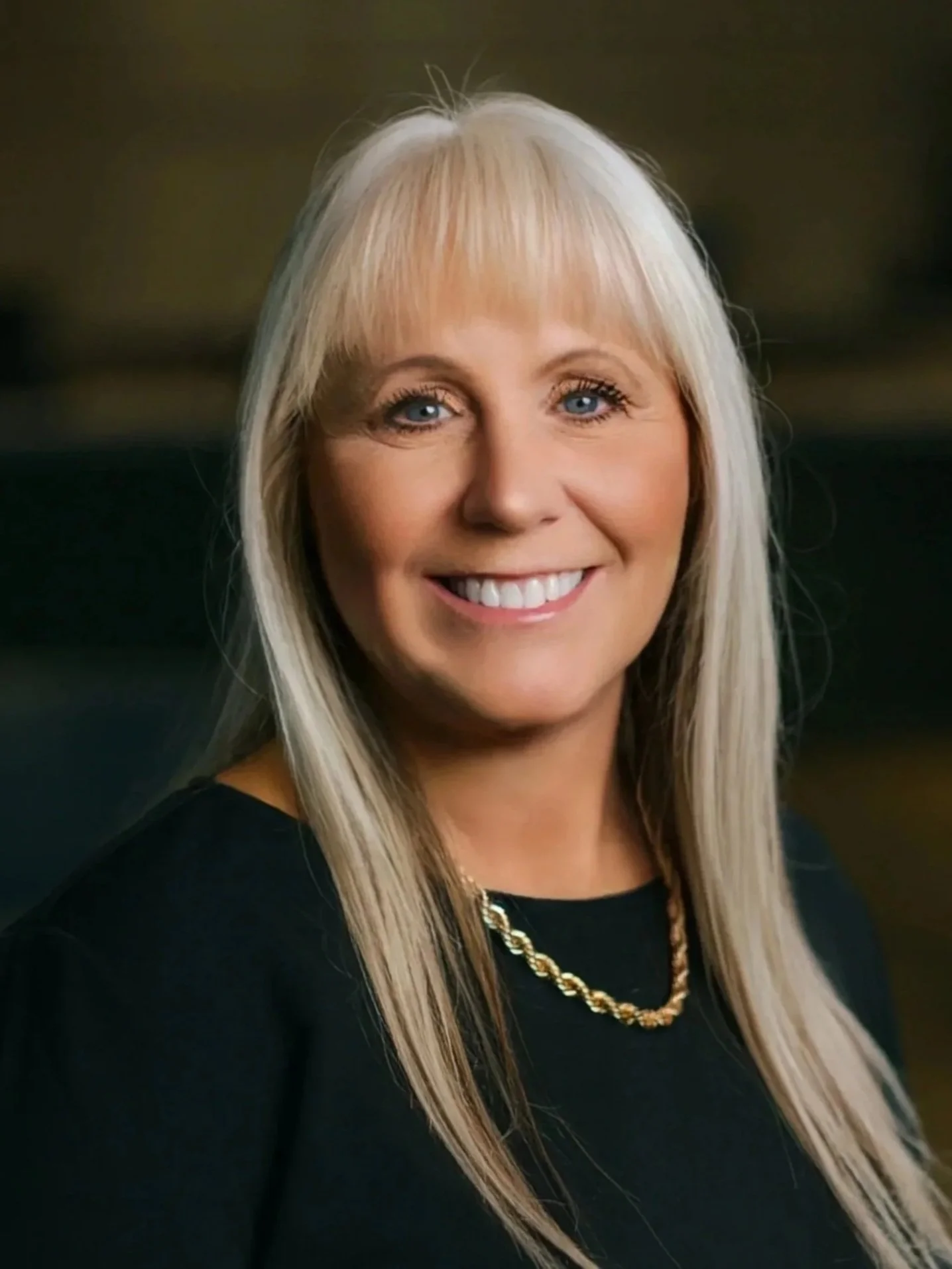
I’ve spent most of my career talking about change. Clubhouses turnover and lineups shift. A rookie gets the call while a veteran hangs on. Sports broadcasters learn quickly that nothing stays the same for long.
What happens when change inevitably happens? And even more importantly, when your entire idea about how to navigate it is challenged?
That’s exactly what happened during a recent interview on my podcast, Rounding the Bases. I was joined by a mother-daughter duo who found purpose in the most unlikely place.
Angel McDonald is the Executive Director of Mother’s Refuge and Judy Henderson is author of When The Light Finds Us. Theirs is a story of a mom who spent 36 years in prison for a crime she didn’t commit. And on the outside, a daughter who never stopped believing that one day she would come home.
I knew the headline going in, but could not have prepared for the story of how they navigated it.
SINGLE: a Name, not your next swing
Judy didn’t avoid her story. She candidly spoke about growing up as the oldest of eight, stepping in front of her siblings to take their father’s abuse so they wouldn’t have to. You could hear the weight of it as she spoke, but you could also hear the clarity.
“I think that’s how generational domestic violence continues,” she said. “It’s learned behavior.”
She didn’t have excuses or denial, just ownership. Embracing your truth is an important step to navigating change, because it’s impossible to move forward until you are honest about where you’ve been.
I’ve seen enough baseball to know that the scoreboard never forgets. But the best players I’ve been around don’t carry the weight of a bad inning with them either. They acknowledge it…then they play ball.
That’s what struck me about Judy. She knew the past mattered, she just didn’t let it take her next at-bat.
DOUBLE: Holding on to hope
We talk about believe in sports all the time. Usually it last a few innings. Thanks to the pitch clock, it usually has to hold for more than a few hours. Judy held on for decades.
“Eric was my seventh governor,” she told me. “God’s number of completion.”
Judy first filed for clemency in 1982, but it wasn’t until 2017 that she finally walked free. Hope, the way she lived it, was almost stubborn, and Angel matched it step-for-step.
“I never gave up,” Angel said. “People would like at me like…’yeah, okay.’ But I knew she was coming home.”
Navigating change often looks like nothing is changing at all. I’ve seen comebacks and crowds come alive out of nowhere. But thirty-six years of believing something would happen without any evidence that it would? That takes a daily decision to forward, even when nothing else is.
TRIPLE: serve where you are
Judy didn’t wait until she was free to make an impact. She started on the inside, mentoring women, helping them write letters to their kids, and reconnecting families. She even helped others gain clemency before she did herself, and that was the part I didn’t expect.
“My little balls ended up bringing families together,” she said with a smile when talking about the quiet, consistent actions that build something bigger.
That line struck me. Here is a person who was living in a place that would have caused most people to shut down. Instead of waiting a lifetime for her circumstances to improve, she found ways to still show up inside of them.
Judy could have spent a lifetime waiting for a better situation. What matters is that she didn’t.
HOME RUN: something bigger than yourself
From an unimaginable situation came two people who are now sitting across the table from people on their hardest days.
At Catholic Charities, Judy meets people the moment life feels overwhelming.
“I can stand there in that lobby,” she told me, “and I can pray for them. I can cry with them. I really feel their pain.”
Angel, as Executive Director of Mother’s Refuge, uses her own story as a beacon of hope for the teen moms she works with.
“So often, they’re like ‘You don’t understand’,” she explained. “To be able to tell my story, our story . . . that’s not where it ended.”
Judy and Angel turned what they survived into something someone else can lean on. When your own story becomes a guide for someone else just might be the highest level of navigating change.
At one point, Judy said something that sounded like it belonged in club house, telling me, “There’s two things you can do with anger. You can get bitter or you can get better.”
I walked into that conversation thinking I understood change. I walked out with the realization that navigating change isn’t about the moment things shift. It’s about how you show up when they don’t.
Listen to the full interview here or tune in to Rounding the Bases every Tuesday, available wherever you get your podcasts.
LEARN MORE ABOUT navigating change FROM JOEL
Book Joel Goldberg for your next corporate event. He draws on over 30 years of experience as a sports broadcaster. In addition, he brings unique perspectives and lessons learned from some of the world’s most successful organizations. Whatever your profession, Joel is the keynote speaker who can help your team achieve a championship state of mind.
FULL TRANSCRIPT
Joel Goldberg 0:00
Joel, welcome in, everybody, to Rounding the Bases presented by Community America Credit Union. I'm Joel Goldberg, great to have you back in here, and as always, grateful for my connection and partnership with Community America Credit Union: Invested in You. Same can be said about my friends over at Chief of Staff Kansas City. If you're looking for a job, if you're looking to hire someone, looking to hire someone, if you're looking for a great resource, I partner with them because of their belief in people, because of their belief in culture. Check them out: chiefofstaffkc.com. Making Connections That Matter. I've got a double connection today, if you will. I'm joined by a mother-daughter duo who found purpose in the most unlikely place. Angel McDonald is the Executive Director of Mother's Refuge, and we've focused on them before. And Judy Henderson is author of When The Light Finds Us. It's her powerful new memoir about the 36 years she spent in prison for a crime she didn't commit, and how she transformed a life sentence into a life of impact. After mothering her children from behind prison walls, she is now a fierce advocate for incarcerated women, using her own story to remind others that no matter how dim the circumstances may be, hope never fades. And she truly is the example for that. And so I'll get to do have a mother daughter duo all that often on the podcast, and so I'm happy to have in here, Judy and Angel. Ladies, how are you?
Judy Henderson 1:28
I'm great. Joel, thank you so much for having us. We're excited to be here, and we're so excited to share our story. And you know what God can do for people.
Angel McDonald 1:39
That's right. We appreciate the opportunity.
Joel Goldberg 1:39
That's Judy. That's Judy, that's Angel. And I'll make sure everybody recognizes the voices. What I can tell you is that if you are listening, sometimes people watch, sometimes they listen, you'll you will see or be able to, hopefully picture, if you're just listening, a big smile on the face of both of these women. It wasn't always that way, Judy and your story, of course, people can read about in the book. I think we we hear a lot of stories about people that were wrongfully incarcerated. These stories rarely involve a few days or a week or months, they usually involve years or a lifetime. But it seems to me like you hear more about it with men than women, and I know that it's not only happening to men, but it did happen to you. And it was a lifetime. And thankfully, you have this second life now with this perspective on the on the outside. I don't know how to answer the whole story in the timeline without, I don't know, maybe going back to the beginning. Take us back what's now? What 45 ish years ago?
Judy Henderson 1:41
Right, right.
Joel Goldberg 2:27
What happened? That's got to be just a lifetime ago?
Judy Henderson 2:47
Yeah, it's, it seemed like a lifetime ago. I spent all my 30s, 40s, 50s and most of my 60s incarcerated. So Joel, it was a journey that began whenever I was small, you know, with being sexually abused, and then I had a father that was abusive. I was the oldest of eight children, and I was very protective of my siblings, so I would take the brunt of most of his anger so they wouldn't have to. And then he, of course, was an abuser toward my mother, which led to me being a learned. I learned that that seemed to be okay, because my mother lived in it. She kept putting up with it, and she did it. So it was and I think that's how the generational domestic violence continues through families. Is because it's learned behavior. It's what they grew up with, so they think it's okay, and they don't know anything else and don't expect anything else.
Joel Goldberg 4:00
So you add that in. I mean, that's, that's a burden that no woman should have to deal with, or anyone for that matter. We're talking about abuse here, right? I mean, it could be kids, it could be adults, it could be men, it could be women, boys, girls, you name it. And then it sounds like Wrong place, wrong time, for a year that couldn't have ended any worse, I suppose. I mean, this was the, I believe, the final day of 1981. I want to just put this in perspective too, because I'm a guy with white hair in my 50s, and when this all went down, I was nine. One, I say that, I say that because you look fantastic, Judy, and you do, you do not look like a woman that spent a lifetime incarcerated, and you have a glow and an energy to you, which I think is incredible, and I've got to imagine so inspirational to to everyone. And again, I'll say, if you could see the smile on Judy's face, it's big, but it's twice as big on her daughter, Angel's face. Because, you know, Judy, you said before this was our story. And I think that's important to remember, not just your story, our story. And I want to get Angel's perspective on the other side of this, because it was your story. Your childhood as well, but, but tell us what, what happened on December 31, 1981 Judy, and what you remember about that? And it sounds like Wrong place, wrong time, but I just can't get over the fact that we're, we're talking 45 years ago.
Judy Henderson 5:40
Right? Yes. And of course, the majority of that was incarcerated. 36 years of it was and so I've been out since December 20 of 2017 and I was in an abusive marriage for 12 years, so it didn't take me long to get from that point after I divorced him, not even I think it was 10 months later the crime happened. So it was from an abusive 12 year marriage to thinking I knew somebody that was not abusive, but he was very charismatic, very manipulative, which I can look back now and see all the red flags. At the moment, I could not. I could not see anything but kindness and understanding, and we communicated well. He showed no signs of having another life, having another side, another personality, to him. So it's I can look back now hindsight, of course, and I see all the red flags I missed. But during that time, from those 12 months, I ended up after I divorced my husband in June, and in a psychiatric ward, because he wouldn't still would not leave me alone. He would still come to the house and be violent and cut up my clothes and cut up my shoes so it was hard to go to work. And I just got to the pressure was too much, and I just couldn't handle it anymore. And, but the doctor told me, he said, You need to get away from this area. So I did. I moved from Independence down to Springfield, and that was in 1980 and I was doing really well. I moved in with my my parents, and had Angel and my son that he there's nine years difference between the two, and we were thriving. We were doing well. I ended up buying my own business. My mother was an entrepreneur and had her business. So it was again, learned behavior. I could do it. My mom did it. You know, I'm following in her footsteps, and she was very kind and very loving, and I can't ever remember a time where she ever hit me. I was thinking the other day, I, I don't think she, I don't even think she ever raised her voice to me. She was so kind and gentle, um, but she taught me everything I knew about how to take care of kids, because I helped her through eight of them. Well, seven of them. Well, we had a step sister so, so we had actually nine, but I was out of the household by the time that she married my stepfather, and he was very kind. We called him Teddy Bear. So there was a whole different, new atmosphere that my siblings started growing up in versus what I had. But after I got out of the psychiatric ward and went down there, bought my business. That was in February. I met my co-defendant in April, and it didn't take long before he started, I don't know well now I look back and it was his way of just controlling, starting, his control over, you know what our future was going to be, how things were going to be great. And whenever I came home one day from picking up my son at the nursery from the salon, I walked in and there was suitcases in the foyer. And I looked around and I thought, well, I didn't see anybody. I thought, whose suitcases are these? You know, I said it verbally, out loud, and he walked around the corner and said, they're mine. I think it's time that I moved in and helped take care of the family. And, you know, let's start planning a future. And I wasn't real crazy about that idea, because I didn't have people, guys living in my home with my children at the time, and that wasn't something that women just did, didn't do back in those days. And then it was in so he moved in in April, and then the murder happened in July. On my daughter's birthday.
Angel McDonald 5:41
The day before.
Judy Henderson 5:41
The day before my daughter's birthday, yeah, and uh.
Angel McDonald 5:41
13th birthday.
Judy Henderson 5:41
Yeah.
Joel Goldberg 5:41
Oh.
Judy Henderson 6:27
So that was something until and to this day, Joel, that's something that I have to live with for the rest of my life. You know, I don't know how I ever, or how somebody, a mother, ever, does not carry that guilt. And so I just have to be, I know, but I just live with it.
Angel McDonald 7:13
God's been good. And he's taken care of me.
Judy Henderson 8:00
I know He has. He took care of you, He watched over you, and He, you had great family. My family watched over her and nurtured her and but even the legal defense after we were arrested, he manipulated and he controlled by us having the same attorney represent both of us in a murder case. So anything that was going to be said about my defense, he would be able to hear and he could, you know, base his defense off of what was going to happen in my case. But on, unbeknownst to me, during that period, he was also seeing two other criminal attorneys on the side that I knew nothing about.
Joel Goldberg 11:18
So we'll get to a little bit more of the details on this. I mean, obviously all stemming from toxic relationship and that had followed you around. But I'm thinking Angel, for you, welcome to your teenage years. And you know, and I just say teenage, I think we all can remember what it was like to I'm a teenager now, you know, turning 13, and not everybody gets to appreciate that in the same way. What are your recollections? Your brother might not remember it as much, but you know, you were at an age where you, I've got to imagine, have incredibly vivid details.
Angel McDonald 11:56
Yeah, it was, well, when my parents were married, I always like, I prayed because it was a really toxic marriage. And I prayed that they would get divorced, and just so all of that would stop, all the fighting would stop. And so when that happened, I was I was like, finally, I have my mom. You know, we can be happy. She's my safe person. Well, obviously it didn't work out that way. There was still a lot of trauma that hadn't been dealt with or worked through. And when we moved to Springfield, she was gone a lot, working and starting her business and making a life for us, and I had been, you know, moved away from all my friends. I had my family, which I'm really close to, and I'm thankful for. But when this happened, I actually went back to my dad's house, and he lived in the house I grew up in, and so I was fortunate in the way that I had a network of really good, close friends that I actually still have to this day. And so God was very gracious in that. But I didn't know what happened for a long time, because they were, they fled for approximately six months. And so I was like, my mom would never leave me. Nobody told me what happened. And and then when I found out, which was right before Christmas, you know, everybody told me that it's going to be okay. She didn't do this. She's going to come home. So I, you know, I didn't know all the details, but I hold, held on to that, that believing that she would come home. So when she was actually convicted, it was very devastating. I had just called a radio station because I was at I couldn't go to the courthouse, so I was at her tanning salon with an employee, and I had called the radio station and requested the song Endless Love for my mom. I don't know if you remember that Brooke Shields movie, but back in the day. But anyways, and the radio hosts were like, what? Who's your mom? Because I said, Judy Henderson. And I said, Yeah, my mom's Judy Henderson. And so they were like, oh. And then the very next thing I heard from them was that she had been convicted of first degree murder. And so, um, so it was really devastating, you know, because I was alone, I thought she was coming home and and I had to navigate this whole new life without my mom, who had prayed that her and I could start a different life, you know, than the first 12 years. And but going back with my dad, I never. I never was angry at my mother. I never gave up that one day she would come home, and we just had to redefine our relationship, which was completely different, but it actually I was able I tell this now, but I was able to tell her things that I would never tell her if she was living in our home, you know? Because she couldn't ground me. Her and my dad weren't close friends, you know what I mean? So it actually was and she gave the best advice. She still does, but you know, so I was actually able to be myself and and tell things that I would never tell. And she always called at the times where I'm like, Oh, seriously, you're calling now, now I'm going to have to tell you this. But so, you know, there's always a silver lining somewhere, if you look and even though it's hard and difficult, you know, there's, a way to maintain relationships and work through it. And that's what we did.
Joel Goldberg 16:03
It's so interesting. Like, well, I guess I'll just tell my mom everything, because actually, like, and you know this now, Angel. As a parent, like, I know that we maybe we don't want to know everything. The best relationships are the ones where the child feels comfortable enough to tell the parents and vice versa. So I've got to imagine Judy for you, that was just the most incredible lifeline, as long as she wasn't doing anything too destructive.
Judy Henderson 16:33
Yes. And she didn't. Well that I knew of. And it was, it was very rewarding. I remember one time I was on the phone and the sergeant walked by and I was crying, and she called me down to her office after I got off the phone, and she said, Are you okay? And I said, Yeah. She said, what's going on? And so I told her, you know, my daughter just broke up with a guy, and she was really hurt and broke, heartbroken. And it was breaking my heart to hear how sad she was knowing this isn't going to be your first or last time. This is going to happen again. You're still young, and, I mean, I still felt all those those emotions, as if I were there with her, because we had that connection from birth. When I gave birth to her without her father there, I wasn't. My mother was present, but he was not. And I, when I looked down at her, I, because I didn't know what we were going to call her. I thought she is my angel. She belongs to me, only me. She's mine. All mine.
Angel McDonald 17:40
Yeah.
Judy Henderson 17:42
And so, yeah. So it was, it was rewarding, and it was bittersweet Joel, to have that closeness and that bond yet not be with her 24/7, you know. And watch her do things that other mothers got to watch their daughters do.
Angel McDonald 18:01
And that was, that was hard, too for me. Like, all the dances and people going shopping with their moms and then, but I would see other kids be kind of rebellious or mean to their their mother. I thought, Man, if I could just have my mom, like, don't take this for granted. It gave me a lot a very different perspective on that relationship.
Joel Goldberg 18:27
I want to go back and then move forward. And I know, Judy, you typically not comfortable talking about the actual incident, so we won't dive deep into that. I guess my question and let me know if anything doesn't add up, or that you're not comfortable talking about. But how does someone that is innocent end up taking the fall for the person that ended up being acquitted? Right? Like they flip flop, they flip flop this, he should have been, he should have been there for life, and you end up, you end up paying the price for it, right? That that's beyond, I mean, all right, fine. We can get punished for our mistakes. If your mistake was not recognizing in him the abuser that he was, I think we could all say, Well, you couldn't see it at the time because of the environment that you had been exposed to. I think most people would understand that you didn't do anything wrong. You needed a chance to break the cycle. It shouldn't have taken 30 something years in prison to to break that cycle. So how did that get flip flopped on you?
Judy Henderson 19:27
I think it was through the conflict of interest with one attorney representing both of us. He was able to manipulate that situation with that attorney, which allowed me not to be able to take the stand, because if I did, it would hurt his other client's case. And so he could not allow that to happen. And when I did ask him to go, eventually, toward the end of, right before we were getting ready to go to trial that Friday, I asked him, you know what? Go talk to the prosecutor. See if I can get a deal, and I will tell everything that I saw. And he said he did, but then the prosecutor testified that, no, he never came to him letting him know that I wanted a deal. And actually Joel, my prosecutor, that was chief prosecutor at the time, and then he later became a circuit court judge, he became one of my biggest advocates. And wanted me out of prison. And said it was the only case he had ever had nightmares about was mine. And yeah, so he talked to the governor and talked to my attorneys, and he was very helpful, and I met with him over coffee after I got home, which was very strange.
Joel Goldberg 20:45
Well, that's a full circle moment too, but
Judy Henderson 20:47
It is.
Joel Goldberg 20:47
Take me back for both of your perspectives, Angel first, and then Judy, that day in 2017 when it finally happens. What, I know there's video out there. We've been in the Instagram era at that point, it's out there so people can look for it. Angel, what do you remember?
Angel McDonald 21:04
You know, it was one of the greatest days of my life. I had been praying for 36 years that my mother would come home, and I never gave up. Like there were hard days, but, you know, I would cry, I would cry out to God, and then I would, you know, recalibrate and continue to pray. And so and people throughout the years would, would, you know, when I would say, Oh, my mom's coming home, they'd be like, Yeah, and you know when they really don't believe you and they're just trying to be nice. And I was like, I know she is coming home. So I got the call before, the night before, to meet to go to the prison for, to meet the governor there. And, and so I just remember Justin Smith was his legal counsel that called me, and I just fell on the floor. Like, I couldn't speak. And he's like, Can you keep a secret? And I'm like, absolutely. And he's like, Can you meet me at the prison tomorrow? And I was like, we'll be there. And I called my aunt, and she flew in from Arizona, and we got a stretched limousine, and we took off in the morning and went there. Our family, just our kids and my brother and and my aunt and and so then when we were standing in there, the governor and his team came in, and I just remember he went to each and every single one of us and shook our hand and he apologized for what we had been through. And, and told us that it was over. So I'll forever be grateful to Governor Eric Greiten's, because he completely changed the trajectory of our family and and gave us a new story. One of triumph and overcoming. So it was the greatest day. I told him, I was like, this is the best day ever.
Angel McDonald 21:51
Well, and you know the book, When the Light Finds Us? I mean that that is, that is a title and a book of hope. Judy, what do you remember about that day in 2017 what it what is, what does freedom feel like?
Judy Henderson 22:45
Freedom feels like a miracle. It was a miracle, Joel. You know, you know, I'm I'm a believer that God performs miracles in our lives every day, and we just don't see them, and we're too busy with life to see what all he does for us. And, but that was definitely, I can look back and see where he started bringing all the pieces together, where he put everybody strategically, exactly where they needed to be at the right time for this to come to fruition. And because no Governor ever, ever in the history that I've known, and I know in Missouri, I know in Missouri, ever does a clemency in the first year of their term, they're lucky if they do them at the end of the second term, and they won't do them in the first term because they're going to run for re-election. So that's why it took me. Eric was my seventh governor. Governor Greiten's was my set God's number of completion.
Angel McDonald 24:15
Yeah.
Judy Henderson 24:15
And, oh, sorry, I'm getting excited.
Joel Goldberg 24:19
Yeah.
Judy Henderson 24:19
I'm getting excited, Joel.
Joel Goldberg 24:23
That's good. She Yeah, yeah, that, I think it's amazing. And the excitement is that the air pods knocked out of her ear. I think I love that we're talking about something now that was about what nine years ago and and it feels like you're describing it like it was yesterday.
Judy Henderson 24:45
It'll always be my yesterday, you know, because I never want to forget that feeling of that gift that I was given. I always want to be humble. I always want to be grateful. I always want to remember because we're. I work as Catholic Charities of Kansas City, Saint Joseph, and I want to always know that when people walk through our door, they they have a hard life. You know, they have trials and tribulations in their lives. And I can relate to them. I know what it's like. So I can stand there in that lobby, and I can pray for them. I can cry with them, and I really feel their pain. And so
Angel McDonald 25:26
I think give them hope for their future.
Judy Henderson 25:27
Yes, yes, I have done videos for street ministers that want to take this video of me back to the homeless and to the street people, and say, I want you to meet this girl. Here's what happened to her, and they just have a hard time believing it, you know. And but it's, it's something that, I mean, I don't want people to ever give up hope, you know. Because hope is what keeps you alive. Hoping something. You're always hoping for something every day, and we just hope that it's always for the good things, and we want to continue to be servants. And I believe that's why God created us, and He was preparing me for this chapter in my life a long time ago, and I didn't even know it. Because in the book, if you get it, it, whoever gets it. You'll read where there were so many miracles where a hit man was sent to kill us, but because my mother, years before, even though she drove a Cadillac, wore heels, dresses all the time. She would feed the hungry under the bridges and on the railroad tracks, and she fed the family of the hitman that was going to kill me. But he recognized me and said, are you Chessie's daughter? And I said, Yes. And he said, Today, you're not going to die because of for what she did to my, with my family. So you can't tell me, God did not set all this up. But He wanted to prepare me. He wanted to build me up and and help me to to do what I do today, and be of service to others in whatever way I can be.
Joel Goldberg 26:10
So, so inspirational. I want to get to my baseball theme questions. I'll do them a little bit different than I usually do.
Judy Henderson 26:10
I'm ready. Come on.
Joel Goldberg 25:28
There we go. How that energy is so good. I'm going to ask them just to Judy and then Angel, if you want to jump in on any of them do that, it's always tricky when I have two guests, but we know who the focus is here. And so Judy, what's the biggest home run that you've hit along the way?
Judy Henderson 26:10
The biggest homeroom I ever hit was putting this clemency together, getting freedom. And boom, Joel, getting that pardon.
Judy Henderson 26:11
And that was, that was a home run many years in the making too, right?
Judy Henderson 27:45
It was. It was. Because I started in 1982 with clemencies, and finally got it in 2017. Yes, yes.
Joel Goldberg 27:55
Thirty-five years worth of trying to hit that home run.
Judy Henderson 27:57
Yes. Yes. A lot of strikeouts. But hey, you know what? I ran from base to base, and kept on running and kept on running until I ran out that gate.
Judy Henderson 28:08
Angel, it's a shame your mom has no energy.
Angel McDonald 28:11
I know. I told her she's gonna outlive all of us.
Joel Goldberg 28:18
She's got a lot of years to make up.
Angel McDonald 28:20
Yeah, I have to be her mom a lot of times now.
Judy Henderson 28:24
Yeah, she tries to tell me what to do. Mom, you can't ride an E bike, you can't play pickleball, and I meet them all.
Joel Goldberg 28:31
That's so good. All right, how about a swing and a miss? You said a lot of swings and misses along the way. And I got to imagine that, you know, when you're you're behind bars and you don't have your freedom, that there are a lot of days that feel like swing and miss after swing and miss, right?
Judy Henderson 28:47
Yeah, I swung and missed, yeah, several times with different governors and different denials and but whenever I did, I would pick up that ball, and I would keep on running, and I would pick up that bat, and I would start a new project, start a new program to help the women in prison. Start a new program to save Puppies of Parole. You know, I was in that program. I start, helped start a better living awareness support team that helped women clean their bodies of drugs and alcohol and exercise. I helped several women get out of prison on clemencies long before I got them. So I even though I hit and miss. I kept, I continued, and I continued to hit that ball until I got that home run.
Joel Goldberg 29:33
What an inspiration Angel. I mean, just the the Never Give Up piece that your mom has in her, and it sounds like it's always had in her, right?
Angel McDonald 29:40
Yes, she has, and that's something that she taught me, like you don't give up. You keep praying, you keep believing, you keep you know, going through that door, the next and the next till you get where, you know, you're going.
Joel Goldberg 29:56
We see so much of that with Mother's Refuge as well. And I encourage everybody to go back and check out that podcast. All right, small ball. It's what I love to talk about, the little things we talk about the home runs. I say to audiences when I speak the home run might be, you know, the purchase of a house or or a kid graduating from school, or an anniversary, or whatever it might be. In the case of Judy, she's got, like, the ultimate home run Grand Slam, which was that clemency. But it doesn't just happen overnight, as we saw. Nothing easy, nothing hard, easy. Anything ever happens overnight. It takes small ball. What were the little things that you were able to do every day? Or what is small ball for you, Judy?
Judy Henderson 30:34
Being able to be there whenever women had to needed to write letters to their children and they didn't know what to say. They didn't know how to be a mother. They didn't know how to handle a situation that their child was in. Because we're talking about career criminal women that this was like a generational curse. This is all they knew was coming back and forth to prison. They didn't know how to mother. So my little balls ended up being bringing families together and uniting them and helping them learn how to navigate motherhood.
Angel McDonald 31:08
And I would say, like something that seems so small, like prayer, you know, through the years. Like just continuing to pray and not giving up and not losing faith and trusting in God to answer your prayers, no matter how far out they seem, how no matter how out of reach they seem, that was the small ball that actually built faith and became something much bigger.
Joel Goldberg 31:36
Well said from both of you. I want to get to my four final questions as we round the bases. Let's start with this. Judy, the work that you did, you alluded to some of it, but the work that you were able to do in prison, the different programs, tell me a little bit more about that. Because I have to imagine that those of us who have never been on the inside we, I think, wonder, you know, how how do you keep your sanity? How do you how do you stay active? And it sounds to me like you were extremely busy during all those years.
Judy Henderson 32:10
I was always busy starting programs and being the president of a lot of organizations that we formed, and we did a lot of fundraisers to help the communities that I'm sure people don't know about. Mother's Refuge, when it burnt down, an organization that I was started and was a member of and was a president of, we did fundraisers for them and sent them all kinds of funding. We sent clothes that were made for them, blankets that the women, the quilts that they made, and some of the other things that that I did was, you know, I wanted to help women build their self esteem. So let's help them love who they are and be productive and take advantage of every program and educational whatever they're offering in the Department of Corrections, and treat that community as if it were the free world. The kind of citizen, I would tell them, the kind of citizen you want to be out there, be that citizen in here, because you can be.
Angel McDonald 33:15
Yeah. That's good.
Joel Goldberg 33:17
Second question as we round the bases. I'll throw this one over to Angel, but your work with Mother's Refuge and the impact that you're having on so many young women and their families, I'm wondering how your mom influences that or or how she's able to help, or her story and the impact that that's able to have.
Angel McDonald 33:39
Yeah, well, and a lot of the moms that come to Mother's Refuge, they've gone through so much trauma, and so often, they're like, You don't understand. And so to be able to share my mom's story, our story, then they can open up, and they're like, Really? And and I realized one day talking to them, I said, Actually, I'm your baby, you know, like I didn't grow up in a homeless shelter, but my mom was a pregnant teenager that was unmarried and and that's where my story started, but that's not where it ended. It ended as at Mother's Refuge, with me being able to give back and to help those moms be able to have a safe place to live and learn how to be a productive citizen and great parent, which they are.
Joel Goldberg 34:29
And just to remind everyone, go back and listen to the podcast about Mother's Refuge, or you can go to the website as well. Mothersrefuge.org to learn out about the work that they are doing. Critical, important work. And Judy, third question, as we round the bases, I want to know about the book. Tell me a little bit more about the book. I love a good book of inspiration. I'm a storyteller. I'd rather not have to do the storytelling with someone whose freedom was taken away for as long as yours was, but I know that you found the silver lining in anything. What are the goals, the hopes and the objectives in having written this book, When The Light Finds Us?
Judy Henderson 35:10
I, Joel, I was going to write a book in prison. I thought about it, and then whenever I came home, I decided, no, I just want to go on with my life, you know. I just want to enjoy my freedom. But the more people that heard the story, the more they encouraged me. No, you have to write this you have to write this book. People have to know. You have to what your story does is give them hope. And so I said, Okay, well, it took myself and my writer out of New York six years to write it, because we wanted to be very honest, very methodical, very transparent. And we wanted them to actually feel what it would be like, you know, to be in that situation. If some you're just living a normal, everyday, modern life, and all of a sudden, zap, you're in prison, almost had the death penalty, which I would have been executed after 18 to 20 years, and I wouldn't be sitting here before you today. And so I wanted to, you know, I just feel like that. That's what probably brought me around, was it saved my life from a life of total abuse. You know, it's turned my life around. It's given me a purpose. And I don't know. I, there's just, the book has just been a whirlwind for me, and it's been one of, I have, I even had people call me from different states and say, hey, my daughter's this, and she's that. What do I do? Call me at work, you know, because they look me down, look me up, and found me at Catholic Charities of Kansas City, St Joseph, which is fine. You know, that's fine. I've talked to you.
Joel Goldberg 36:50
That's a home run too.
Judy Henderson 36:52
Yeah.
Joel Goldberg 36:52
That's a home run too, because look at the, look at the gift you're able to give now.
Judy Henderson 36:56
Yes, exactly.
Joel Goldberg 36:59
I'll encourage everybody to check out the book. We'll have it a link in the show notes as well. When The Light Finds Us: From a Life Sentenced to a Life Transformed. So let's, let's walk it off for both of you with this question. You are both women of faith. You are both women of hope. It reflects in the work that you're doing, within the communities, within your jobs at Catholic Charities, at Mother's Refuge. Let's talk about hope. We'll start with Angel, and we'll go to Judy, because what I hear is this. If your mom can do it, anybody can do it, and if, if, if you can come out on the other side with this big of a smile, and the E bikes and the pickleball and all of the energy. You know, that's something that might not have seemed believable at a certain point. What do you tell people, or those young moms coming into Mother's Refuge, Angel, when it comes to hope?
Angel McDonald 37:57
I tell them, Don't ever give up. No matter how dark it looks, no matter how hard it is, don't give up. Keep believing. Keep praying. Just keep showing up day after day, and God will answer your prayers. Sometimes it takes a while, like, you know, it took the Israelites 40 years to get to the promised land, but they got there. It took us 36 years for freedom, but we got there. And God is a God of promises, and He will answer and he'll honor you. Just be honorable to him, and don't give up.
Joel Goldberg 38:28
Judy, I have to imagine that even with your faith and your resolve, your determination, that there probably were some days in there that maybe you weren't so sure, or that, you know.
Judy Henderson 38:40
Yes.
Joel Goldberg 38:41
I don't care how high energy you are, you can't be this high energy and this happy and hopeful every single day. My point is, is that you'll be tested along the ways. What is your message of hope?
Judy Henderson 38:52
You know, Joel, I used to have a verse above my cell bathroom, or, well, we had a wet cell, which is a stool in the sink inside of the cell, and I had a scripture that I taped up there. This was Jeremiah, 29:11. I know the plans I have for you, plans for a future, plans not to harm you. So where I was at was not God's plan for me, and I believe that. And I believed with wholeheartedly, that He was going to get me out of here. I didn't know how, when Warden's and everybody would say, Judy, you know, just help us start this honor dorm. And you know, because you're not going anywhere, you need to, you need to help us with this, and because this is where you're going to die. And they would try to remind me of that. And it seemed like the more they said that, boy, the stronger I got. And the more determined I got, and I think the more angry I got. But you know, I always tell them, and I always tell people, there's two things you can do with anger. You can either get bitter or you can get better. And I wanted to show them, no, I'm going to show you how I'm going to walk out this door and. And I was able to do that. And it was just and start a vision board, vision what you want in your life. And I did that on scrap paper, on prison cardboard, and I cut out these papers. And you know, everything on that vision board came true. New York, where the book was the where the book was launched. The pardon, the commutation, everything. The book was on there. The only thing that I don't have yet Joel and I'm still working on it, is the jet and the sports car.
Joel Goldberg 40:38
I'm not going to be the one to tell you no, because you'll end up proving me wrong. Start with the sports car.
Angel McDonald 40:45
Yeah.
Joel Goldberg 40:46
If you get the jet first. You can get many of the sports cars as well, but that's right, as Angel said, You're gonna outlive all of us anyway. To do that, I'm not betting against you, I'll tell you that much. The book, When The Light finds Us: From a Life Sentence to a Life Transformed released in April of 2025 it's a must read for everyone. Doesn't matter whether you're a woman, a man, or whether things are going great in your life or not going great in your life. So I think we all realize that at some level another, we're always going to deal with a situation where we need some more hope. Hope fuels us all, and I know that you have been filled with that and will continue to be filled with that. So to both of you smiling ladies, and especially to the incredibly infectious and energized Judy. Judy, Angel, thank you so much for sharing your family's story with all of us and inspiring us. Really appreciate both of you.
Angel McDonald 41:40
Great Joel.
Judy Henderson 41:41
Thank you for having us, Joel. God, bless you.